Artificial Intelligence (AI) is no longer a concept of the future, it’s here, shaping how we work, hire, and build careers. From automating simple tasks to analyzing massive amounts of data in seconds, AI is changing nearly every industry. Understanding the role of AI in today’s job market is essential for anyone who wants to stay relevant and take advantage of new opportunities rather than be replaced by technology.
This article explain how AI is transforming employment, the types of jobs it’s affecting, the new roles it’s creating, and what skills you need to remain competitive in a rapidly evolving workplace.
Understanding the Role of AI in the Job Market
AI refers to computer systems that can perform tasks requiring human intelligence, such as decision-making, pattern recognition, problem-solving, and language processing. It’s the driving force behind tools like chatbots, recommendation systems, autonomous machines, and smart analytics platforms.

In today’s job market, AI helps companies streamline their operations and make smarter decisions. Businesses use it to automate repetitive tasks, analyze customer data, predict trends, and improve overall efficiency. For example, AI chatbots handle customer service inquiries 24/7, while predictive algorithms help HR departments identify top talent faster.
Beyond automation, AI is also enhancing job performance. Many professionals use AI-powered tools to analyze information, organize tasks, and speed up decision-making processes. Instead of replacing workers entirely, AI is evolving into a support system that helps employees work more efficiently and focus on higher-value tasks.
READ: The Role of Freelancing in Building a Relocation-Friendly Portfolio
Industries Most Affected by AI
AI is impacting nearly every field, but some industries are experiencing more visible transformations than others. Understanding these changes helps professionals identify where opportunities or risks may exist.
Technology and IT
This sector leads AI adoption. From machine learning engineering to data science, AI-related roles are in high demand. Developers use AI to create intelligent applications, cybersecurity tools, and automation systems that enhance business operations.
Healthcare
AI supports doctors and researchers by analyzing patient data, predicting disease patterns, and improving diagnostics. Tools like medical imaging software and virtual health assistants are helping medical professionals make faster, more accurate decisions.
Finance
The financial sector relies on AI for fraud detection, algorithmic trading, and personalized customer services. Automated systems now analyze spending patterns, credit scores, and investment risks with remarkable accuracy.
Manufacturing
Factories use AI-powered robots for assembly, inspection, and quality control. Predictive maintenance systems prevent machine breakdowns, improving production efficiency and safety.
Retail and Marketing
AI helps retailers understand customer preferences and personalize marketing strategies. Recommendation engines, automated ad placements, and data-driven insights improve customer experience and sales conversion rates.
Transportation
AI is revolutionizing logistics with self-driving vehicles, route optimization, and predictive delivery systems. Companies use these tools to save time, fuel, and resources while maintaining reliable operations.
Jobs AI Is Replacing
AI and automation are reducing the need for some roles, especially those involving repetitive or predictable tasks. This shift doesn’t mean the end of human work, but it does require workers to adapt.
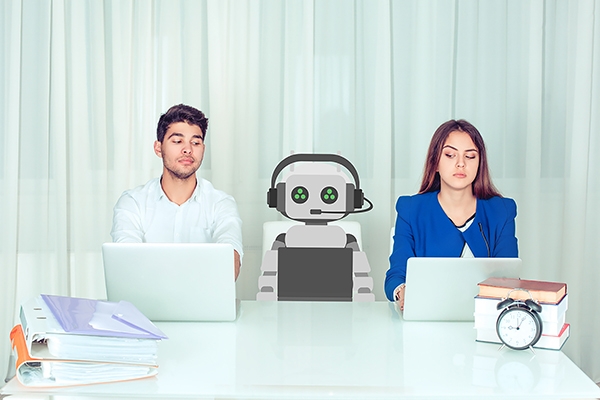
Jobs most at risk include data entry, telemarketing, assembly line work, and routine bookkeeping. Customer service roles that depend on scripts are being replaced by chatbots and virtual assistants that can respond instantly and consistently.
Even within white-collar fields, automation handles administrative tasks such as scheduling, report generation, and data management. However, new job opportunities often emerge in the same industries, especially in positions requiring technical or analytical expertise to oversee these automated systems.
Professionals can protect themselves by focusing on skills that AI cannot replicate creativity, emotional intelligence, leadership, and complex problem-solving.
READ: Writing the Perfect Thank-You Email Post-Interview
Jobs AI Is Creating
While AI replaces certain tasks, it also creates entirely new professions. The rise of AI has led to an increased demand for roles like machine learning engineers, data analysts, automation specialists, and AI researchers. These professionals design, manage, and improve AI systems used in businesses worldwide.
Other emerging jobs include prompt engineers, AI ethics consultants, and data labeling experts who help train algorithms. Additionally, traditional roles are evolving marketers now use AI to analyze trends, educators leverage AI-driven learning platforms, and healthcare workers integrate AI diagnostics into patient care.
The growth of AI has also fueled remote work opportunities. Freelancers and professionals can now work with AI tools in content creation, coding, digital marketing, and cybersecurity from anywhere in the world. This flexibility allows individuals to access global opportunities while adapting to technological progress.
Skills Needed to Stay Competitive in the AI Job Market
To succeed in an AI-driven world, workers must continuously update their skills and adapt to new technologies. The following areas are essential for staying ahead in today’s evolving job landscape.

- Digital Literacy: Understanding how AI works, even at a basic level, gives you an advantage. Learn how AI tools operate in your field and explore how they can simplify or improve your daily tasks.
- Critical Thinking and Decision-Making: AI can process data, but humans are needed to interpret it and make informed decisions. Developing analytical thinking helps you evaluate AI-generated insights and apply them effectively.
- Data Skills: Data analysis and management are central to AI systems. Learning how to collect, clean, and analyze data can make you more valuable to employers who rely on technology-driven decisions.
- AI and Automation Tools: Familiarity with common tools like ChatGPT, TensorFlow, or automation software improves efficiency and expands job opportunities. Understanding how to use these systems makes you adaptable across multiple industries.
- Soft Skills: Human qualities like communication, adaptability, empathy, and creativity remain irreplaceable. Combining technical and interpersonal skills ensures you can collaborate effectively in modern workplaces.
You can develop these skills through online platforms such as Coursera, LinkedIn Learning, or Google Career Certificates, which offer practical and affordable training in AI-related areas.
READ: Ace the Virtual Interview: Tips for Nailing Your Next Zoom Interview
Balancing AI and Human Roles
AI is a powerful tool, but it cannot replace every aspect of human work. Emotional intelligence, ethical judgment, creativity, and leadership remain beyond the reach of machines. The most successful workplaces are those that combine the precision of AI with the insight and empathy of people.
For example, AI can analyze customer feedback, but only a human can truly understand the emotional tone behind it. In healthcare, AI may diagnose illnesses faster, but doctors still provide comfort and trust. The balance lies in letting AI handle repetitive tasks while humans focus on strategy, innovation, and relationships.
Companies that adopt this hybrid model often see higher productivity and employee satisfaction. For workers, embracing AI as a partner rather than a competitor ensures long-term relevance in any field.
How to Prepare for the Future of Work
Adapting to an AI-driven economy requires awareness, flexibility, and ongoing learning. Here are practical steps to prepare for the changing job market:
- Stay updated on new AI tools and trends relevant to your career.
- Build transferable skills that apply across industries, such as communication and problem-solving.
- Join professional networks, online communities, or webinars focused on AI and technology.
- Take advantage of online education to learn coding, automation, or data analysis.
- Maintain a flexible mindset, career shifts are part of the modern workforce, and adaptability is key to success.
Professionals who continue learning and remain open to new technologies are more likely to thrive in the future of work.
The role of AI in today’s job market extends far beyond automation. It’s creating new possibilities, reshaping old ones, and transforming how we define success. While certain jobs may disappear, countless others are emerging that require creativity, emotional intelligence, and adaptability skills that AI cannot replicate.
The key to thriving in this new era is understanding how AI impacts your field, continuously updating your skills, and embracing technology as an ally. The future belongs to those who evolve with change and use AI not as a replacement, but as a tool for growth, innovation, and opportunity.