Working in the Netherlands as an Immigrant: What Every Immigrants Should Know
Thinking about moving to the Netherlands for better career opportunities? You’re not alone. With its thriving economy, high standard of living, and growing demand for skilled professionals, the country attracts workers from all over the world. From tech and engineering to healthcare and education, there’s no shortage of roles for qualified candidates.
But when it comes to working in the Netherlands as an immigrant, having the right information makes all the difference. Understanding which jobs are in demand, how the visa system works, what employers expect, and how to adjust to life in a new country will help you prepare and succeed.
Sectors with Strong Demand and What You Should Know
The Netherlands has several sectors where demand for skilled workers is high. If your skills align, or you can acquire new ones, your chances of finding a good role improve significantly.

Details:
- Technology, Software, Data: Roles such as software developer, cloud engineer, machine learning or AI specialist, data analyst, cybersecurity expert are in demand. Employers look for people experienced in modern frameworks, cloud platforms (AWS, Azure, GCP), infrastructure automation, and scalable systems.
- Engineering & Innovation: Mechanical, electrical, civil, environmental engineering, R&D roles in sustainability, renewables, and smart infrastructure are growing fast. Employers favour hands-on experience, project portfolios, and sometimes international collaboration.
- Healthcare & Medical Roles: Nurses, specialists, therapists, and health system support roles are in shortage. If you come from outside the EU, ensure your credentials are valid or can be recognised in the Netherlands. Some roles need registration with the BIG register or working under supervision until full recognition is granted.
- Finance, Accounting, Business Support: International firms need financial analysts, internal auditors, tax consultants, regulatory compliance experts. Multilingual skills (English, Dutch, other EU languages) help. Understanding international accounting standards (e.g. IFRS) is a plus.
- Education, Research & Academia: Universities, international schools, and research institutions need lecturers, teachers (especially in English), curriculum developers, research staff. Having published work, advanced degrees, or international teaching experience strengthens your profile.
READ: Can Remote Work Help You Qualify for Immigration? Here’s the Truth
Visa & Permit Types, Requirements, and 2025 Rules
To legally work in the Netherlands, non-EU/EEA/Swiss nationals usually must obtain the correct residence/work permit. These permits have specific requirements, and the rules are updated regularly. Knowing the current rules helps you plan properly.

Details:
- Highly Skilled Migrant Permit: This is one of the main routes. Key requirements include:
-
- A job offer from an employer who is a “recognised sponsor” by the Immigration and Naturalisation Service.
- A salary that meets or exceeds the required minimum.
- Valid passport, proof of experience or education.
- For some medical roles, registration with the BIG register may be needed.
-
- EU Blue Card: Allows highly educated non-EU nationals to work and live in the Netherlands under specific conditions. You must meet a high salary threshold and have relevant qualification(s). It may offer more mobility within the EU.
- Reduced Thresholds for Recent Graduates / Orientation Year: If you recently completed a higher education degree (especially from a university in or outside the Netherlands under certain ranking rules), you may qualify for reduced salary requirements under the “orientation year” or “recent graduate” criteria.
- Employer Sponsorship Requirements: The employer usually must be recognised by IND as a sponsor. Unrecognised employers make permit applications harder. Recognised sponsorship affects speed and probability of approval.
Updated Salary Thresholds & Other Key Numbers for 2025
Understanding the latest salary thresholds and permit fees is crucial, applying under outdated numbers can lead to rejection or delays.
Details:
- As of 1 January 2025, these are the gross monthly salary thresholds (excluding the 8% holiday allowance):
-
- Highly Skilled Migrants aged 30 or over: €5,688
- Highly Skilled Migrants younger than 30: €4,171
- Recent Graduates / Orientation Year route: €2,989
- EU Blue Card with reduced threshold (for recent graduates): €4,551
-
- Application / permit fees (for many highly skilled migrant or residence permit applications) are commonly around €405 for the worker, with additional fees for family members or other permit types.
- Required amounts for minimum wage / social insurance wages (for general work permit or residence permit processes) have also been updated in 2025. Employers and applicants must be aware of those.
READ: How to Get a Work Permit Without a Job Offer (Legit Routes)
How to Prepare a Strong Application
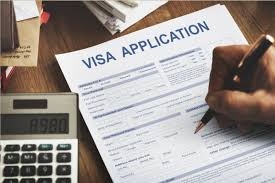
Your application is your first impression on Dutch employers and immigration authorities. The more thorough and accurate you are, the smoother the process will be.
Details:
- Ensure your educational credentials are properly documented. If translations or legalisations are needed, take care of them in advance. If your profession requires registration (for instance, in healthcare or engineering), research whether foreign credentials are recognised or whether you will need additional exams or supervised practice.
- Adapt your CV to Dutch expectations. Emphasize measurable achievements, relevant technical or domain skills, language abilities (English, Dutch if you know it), international work or study experience. Format clearly, clean layout, no ambiguous language.
- Confirm the employer is a recognised sponsor. You can look this up in the IND public register. If they are not, ask about the possibility of them becoming one, or whether they can assist with permit costs and paperwork.
- Understand the full compensation package. Sometimes parts are non-salary (housing stipends, relocation allowances, tax breaks like the 30% ruling for eligible immigrants). Clarify what is covered and what you need to provide.
- Prepare for your move: research housing (rent, deposit), childcare if relevant, banking, insurance. Estimate cost of living in the city you plan to move to. Make sure you have some savings to bridge transition period.
What to Expect When You Arrive & Work in the Netherlands
Moving means adjusting. Knowing what everyday life and work culture are like helps you settle faster and avoid culture shock.
Details:
- Workplace Culture: Dutch workplaces tend to have open communication, egalitarian hierarchies, and direct feedback. Being punctual is important. Work hours are usually well-defined. Overtime is less common compared to many other countries.
- Language & Social Integration: In many international companies English is used. However knowing Dutch helps with everyday interactions, social life, dealing with authorities, and sometimes with career advancement for local or client-facing roles.
- Municipal Registration: One of your first tasks will be registering with the local municipality (gemeente). You will get a citizen service number (BSN). This is needed for tax, health insurance, opening a bank account etc.
- Cost of Living: Big cities are more expensive. Housing, transportation, insurance, groceries, utilities add up. Budget not only for day-to-day costs, but also one-time expenses (moving, deposit, furniture, permit fees). Build a financial buffer.
- Community & Network: Join expatriate groups, professional associations, meetups. They help with job leads, advice, and personal support. Understanding local social norms (how people interact, holidays, social behavior) helps you settle in.
READ: Top-Rated Immigration Apps and Tools That Actually Work
Common Challenges and How to Overcome Them
Even well-prepared immigrants face obstacles. Recognizing them early and having strategies helps you manage better and avoid delays or frustration.
Details:
- Recognising Foreign Qualifications: Some professions have strict requirements. For example healthcare (BIG register), engineering, etc. You may need to have qualifications assessed, do additional exams, or do supervised work first.
- Language Barrier: Even if your job is in English, many services (bureaucracy, health, local interactions) will require Dutch. Taking language courses early will help with daily life and reduce friction.
- Housing Issues: Housing is limited and rent is high in urban areas. Be prepared to wait, sometimes take shared housing, live further out and commute.
- Adjusting to Dutch Culture: Direct communication, equality at work, feedback loops may feel different. Being open-minded, observant, and flexible helps.
- Legal and Administrative Delays: Permits, translations, recognition procedures, registration can take time. Avoid last-minute rush by preparing all documents well in advance. Keep copies. Follow up proactively.
Moving to the Netherlands for work can open doors to great opportunities, but success comes from good preparation. By choosing a sector in demand, meeting visa requirements, preparing your documents well, and learning about life and work culture in the country, you can make the process smoother and start your new career with confidence.